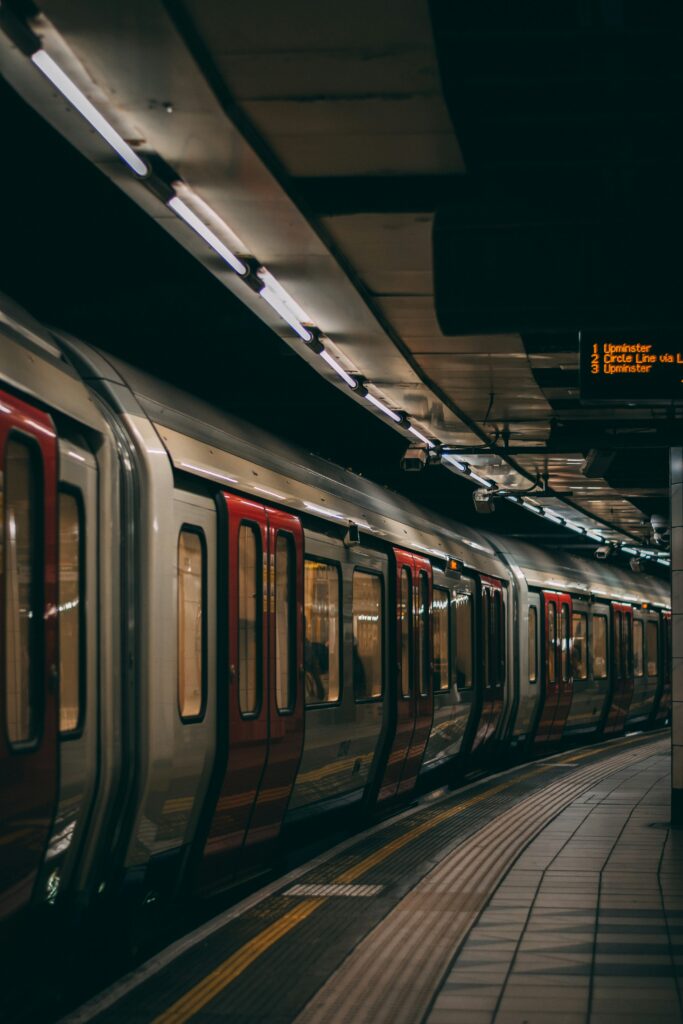
“Unlocking the City: How the Metro is Changing the Way India Travels.”
Decongestion of Urban Roadways
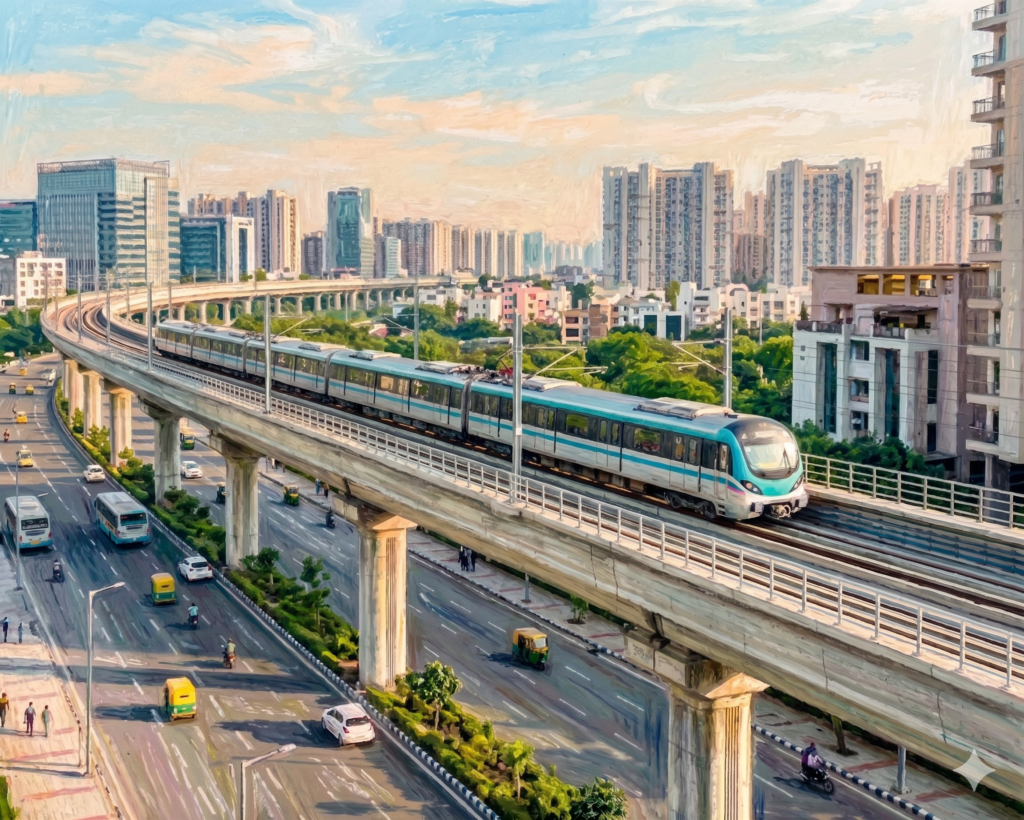
Indian megacities like Bengaluru, Mumbai, and New Delhi are notorious for severe traffic bottlenecks. Metro networks act as a high-capacity pressure valve. A single 6-coach metro train can carry approximately 1,800 to 2,000 passengers—effectively removing hundreds of cars and two-wheelers from the road per trip. This leads to smoother traffic flow for surface-level logistics and emergency services.
Environmental Sustainability

- Transportation is a leading cause of urban air pollution. Metro systems offer a massive ecological advantage:
- Zero Tailpipe Emissions: Being fully electric, they do not emit exhaust fumes in densely populated areas.
- Energy Efficiency: Modern rolling stock utilizes regenerative braking systems, where the kinetic energy of a braking train is converted back into electricity and fed into the grid, saving up to 30% on energy costs.
- Shift to Renewables: Corporations like DMRC (Delhi Metro) are aggressively adopting solar power to run their stations and depots, further lowering the carbon footprint.
Economic Catalyst & Transit-Oriented Development (TOD)
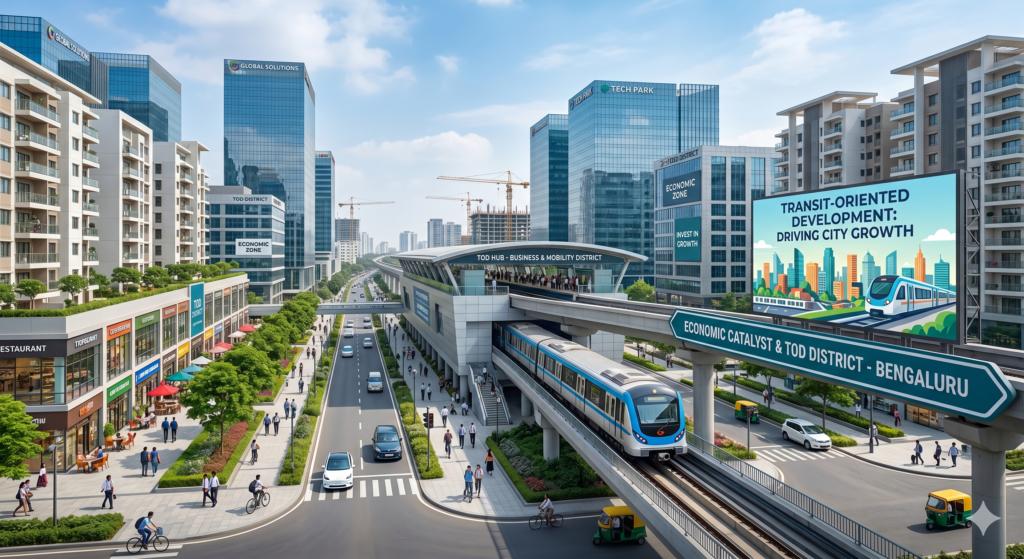
Metro lines do not just move people; they move economies.
- Real Estate Boom: Property values and commercial rent historically surge within a 1-2 kilometer radius of new metro stations.
- Employment: The construction phases create thousands of civil engineering and labor jobs, while operational phases require permanent staff for maintenance, security, and IT management.
- Transit-Oriented Development: The government encourages high-density, mixed-use commercial and residential spaces directly around transit hubs, creating self-sustaining micro-economies.
Predictability and Time Efficiency

Unlike buses or cabs, which are at the mercy of unpredictable traffic, metro systems operate on an exclusive right-of-way (underground or elevated). This provides highly accurate, minute-by-minute scheduling. For the daily commuter, the ability to accurately predict travel time is a massive boost to productivity and work-life balance.
Enhanced Safety and Security
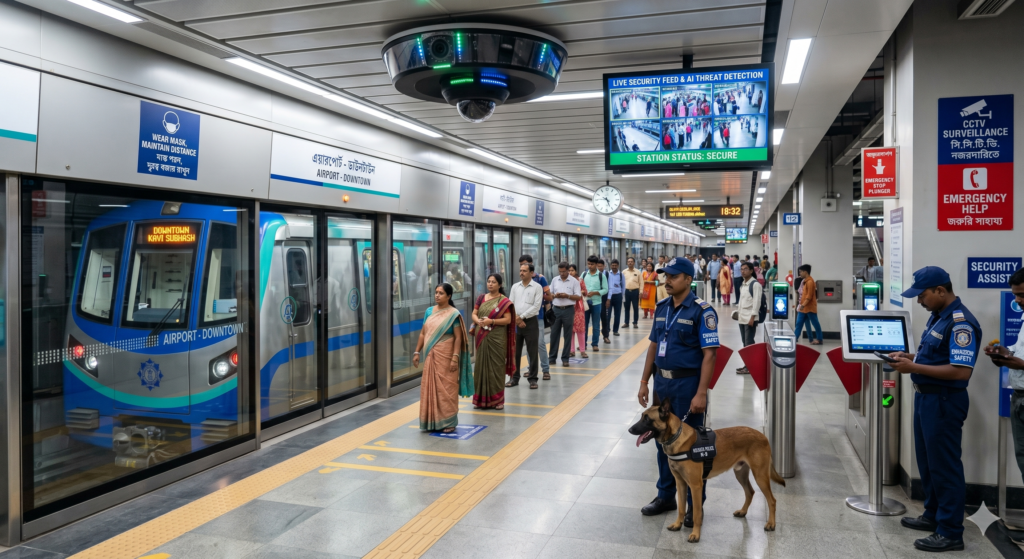
Statistically, metro rail is vastly safer than road transport.
- Collision Prevention: Technologies like CBTC (Communication Based Train Control) eliminate human error and prevent train collisions.
- Physical Security: Stations are heavily guarded by specialized forces (like the CISF in Delhi), feature 100% baggage scanning, and have continuous CCTV surveillance.
- Safe for Women: Dedicated women-only coaches and well-lit, heavily monitored stations provide a secure transit option, particularly for late-night travel.
Accessibility and Multimodal Integration
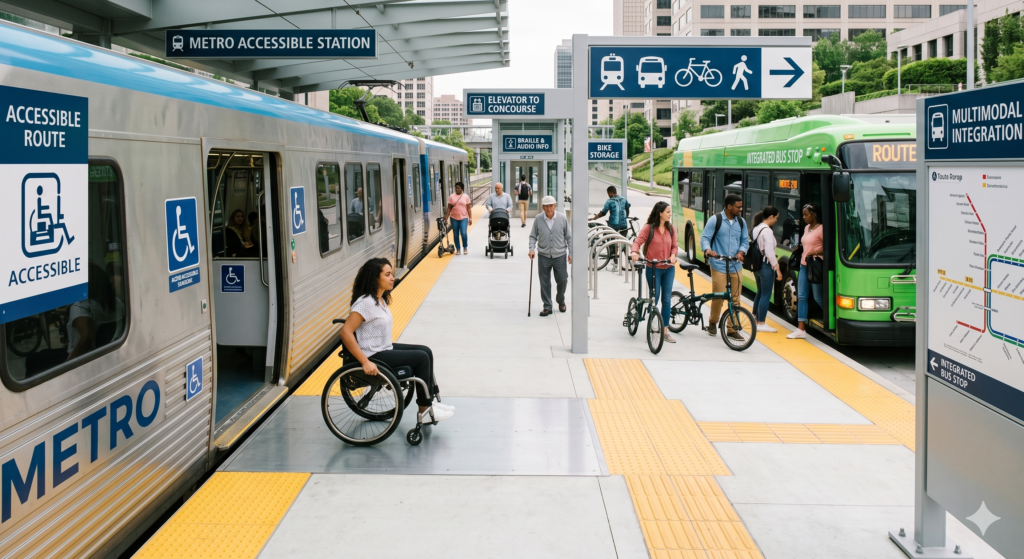
Modern Indian metro systems are designed with universal accessibility in mind, featuring elevators, tactile paving for the visually impaired, and wheelchair-friendly coach access. Furthermore, they serve as the “spine” of the city’s transport, increasingly integrating with feeder buses, RRTS (Regional Rapid Transit Systems), and the National Common Mobility Card (NCMC) for a seamless commute.